




Is Cabo Safe to Visit in 2026?
Yes, Cabo is safe to visit in 2026. It sits in Baja California Sur, one of Mexico’s safest states, and holds a Level 2 travel advisory from the U.S. State Department – the same classification given to France, Italy, and the UK. Nearly 4 million tourists visited in 2024, and the vast majority had incident-free trips. The main risks for visitors are petty theft and tourist scams, not violent crime. Stick to the tourist corridor, use common sense, and Cabo is a very enjoyable and very manageable destination.


Cabo San Lucas has a reputation problem that its actual crime statistics don’t fully support. Turn on the news and Mexico sounds like a warzone. But Mexico is a vast country, and what is happening in Jalisco, Tamaulipas, or Guerrero has very little to do with what is happening at the southern tip of the Baja Peninsula. We’ll give you an accurate, current picture of safety in Cabo so you can plan your trip with confidence rather than anxiety.
What the Travel Advisories Actually Say
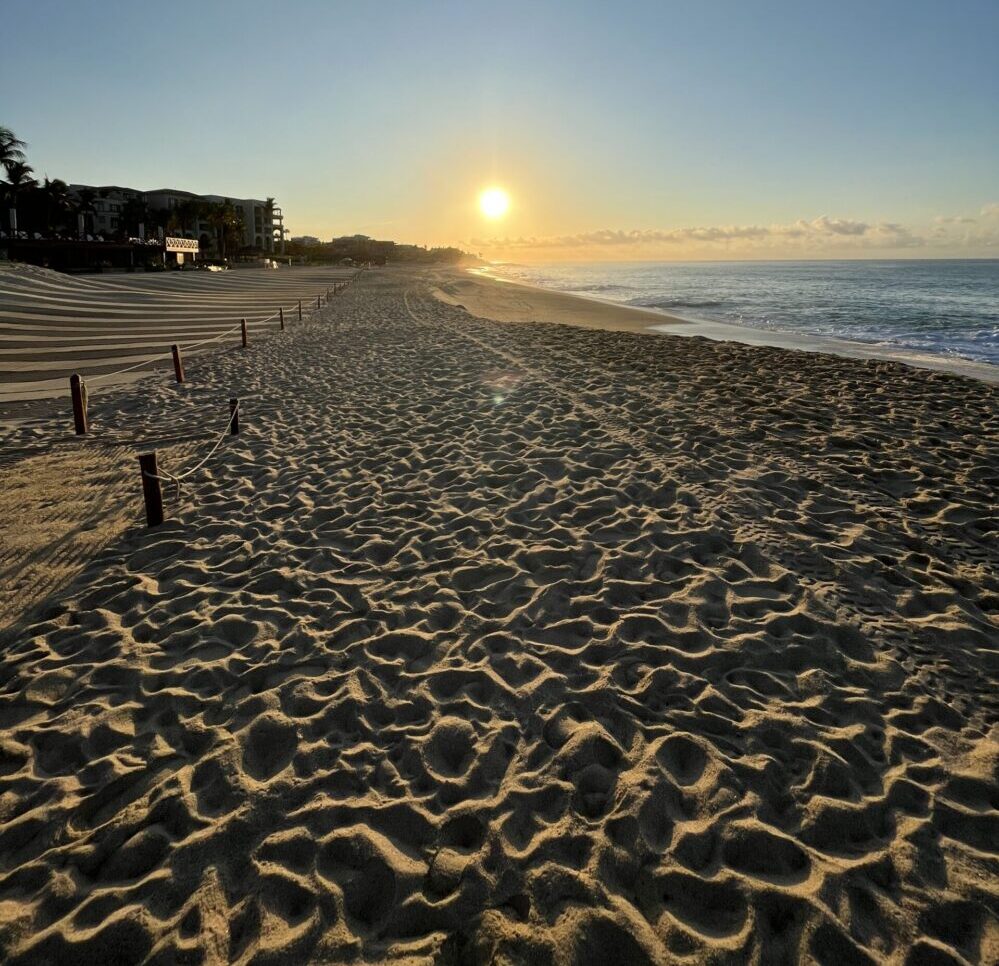
The U.S. State Department rates Baja California Sur – the state Cabo is in – at Level 2: Exercise Increased Caution. That is the second-lowest rating in a four-tier system, and it is the same level currently assigned to the United Kingdom, France, and Germany. There are no restrictions on travel to Cabo for U.S. government employees, which is a meaningful signal about the practical risk level.
The Canadian government follows a similar line, advising travelers to exercise a high degree of caution in Mexico generally, but Baja California Sur does not appear on Canada’s elevated-concern regional list. The Australian government’s advisory also places the peninsula in its second-lowest category.
It is worth understanding what Level 2 means in practice. It does not mean “dangerous.” It means stay aware, use common sense, and don’t take unnecessary risks – the same advice you would follow in any major city. The states that carry Level 3 and Level 4 advisories in Mexico, such as Tamaulipas, Guerrero, Colima, and parts of Jalisco, are genuinely different situations.
A Note on February 2026
In late February 2026, a major federal military operation in Jalisco resulted in significant cartel response activity – road blockades, shootouts, and a shelter-in-place advisory for Puerto Vallarta and parts of Guadalajara. This made international news and understandably worried travelers with upcoming Mexico trips.
Cabo San Lucas was entirely unaffected. Los Cabos International Airport operated normally throughout, with no cancellations, no blockades, and no security disruptions of any kind. Baja California Sur’s Level 2 advisory was not escalated. The two destinations are separated by approximately 550 miles and the Sea of Cortez – geographically and in terms of cartel activity, they are different worlds.
My Personal Experience
I love visiting Cabo, and will be visiting at least once sometime this year. In fact, I try to visit at least once per year and I never feel unsafe. I also park myself at the resort and don’t leave. As such, as long as you stay on resort property, there’s a statistically low probability that you’ll encounter any crime.
Every resort in Mexico is competing for your business, and feeling unsafe is a great way for you to choose elsewhere on your return trip. So many resorts hire security guards to keep the riff raff, beach vendors, and criminals away.
My travels have taken my all over the world, and I’ll go as far as to say that I feel safer in Cabo than even many stateside cities like New York City, Minneapolis, or San Francisco. Of course, these are all big cities that come with their own share of problems.
And unlike the cities I just mentioned, in Cabo you’re unlikely to encounter people on drugs, the homeless, or violent criminals. Rather, most of your interactions will be with resort workers eager to serve you and other like-minded tourists, which results in an overall safe environment.
✔️ Absolute Necessities in Cabo:
- Private Transfer from Cabo Airport to Resort (Super affordable!)
- Our Favorite Travel Insurance (Very affordable, takes less than 5 minutes)
- Cabo Snorkeling & Boat Trip with Open Bar (Amazing deal & really fun!)
🛎️ Our Top Resort Picks:
- Hilton Grand Vacations Clu La Pacifics – 5-star luxury, huge pool, secluded beach
- Nobu Hotel Los Cabos – Modern luxury, secluded with a boutique feel, unlike other huge resorts
- Grand Velas Los Cabos – Ultra-luxurious, stunning new rooms, true oceanfront resort
Crime in Cabo: What the Numbers Show
Context matters enormously when discussing crime in Cabo. The Numbeo Crime Index rates Cabo San Lucas at 44.5 out of 100, which is significantly lower than Cancun (56.1), Mexico City (68.0), and Tijuana (72.8). For additional context, U.S. cities like St. Louis, Baltimore, and Detroit all rank higher on the same index.
Baja California Sur consistently posts one of the lowest homicide rates of any Mexican state – roughly 2.2 per 100,000 residents, comparable to parts of the American Southwest. Los Cabos is the largest city in the state and naturally accounts for most of the state’s reported crimes, but the majority of those crimes – domestic violence, business extortion, and drug-related offenses – do not involve tourists.
In 2024, between January and July, 91% of Los Cabos arrivals were U.S. citizens. Nearly 15,000 American and Canadian expats live in the area permanently. Local authorities have invested heavily in tourist security in recent years, including over 300 new security cameras, 150 additional trained tourist police officers, and ongoing federal military support through 2028.
What Crime Actually Affects Tourists
The honest answer is that petty theft is the main concern. Pickpocketing in crowded areas, credit card skimming, and overcharging by unlicensed taxis are the most commonly reported issues. Violent crime against tourists is rare. When it does occur, it is most often tied to nightlife – altercations in bars or clubs, sometimes alcohol-fueled, occasionally involving robbery.
Drug-related cartel violence does exist in Baja California Sur, and it has increased over the past decade as Cabo’s tourism economy grew and attracted cartel interest in the local drug market. But this violence is almost exclusively targeted – cartel members against other cartel members – and tourists are very rarely caught up in it. Tourists are bad for business in that regard: incidents involving foreign visitors attract law enforcement attention that cartels actively want to avoid.



Got Travel Insurance?
Protect yourself for unexpected interruptions.
Compare Plans We may be compensated when you book after clicking on one of our links.Areas to Be Aware Of
Ruth Peterkin/Shutterstock
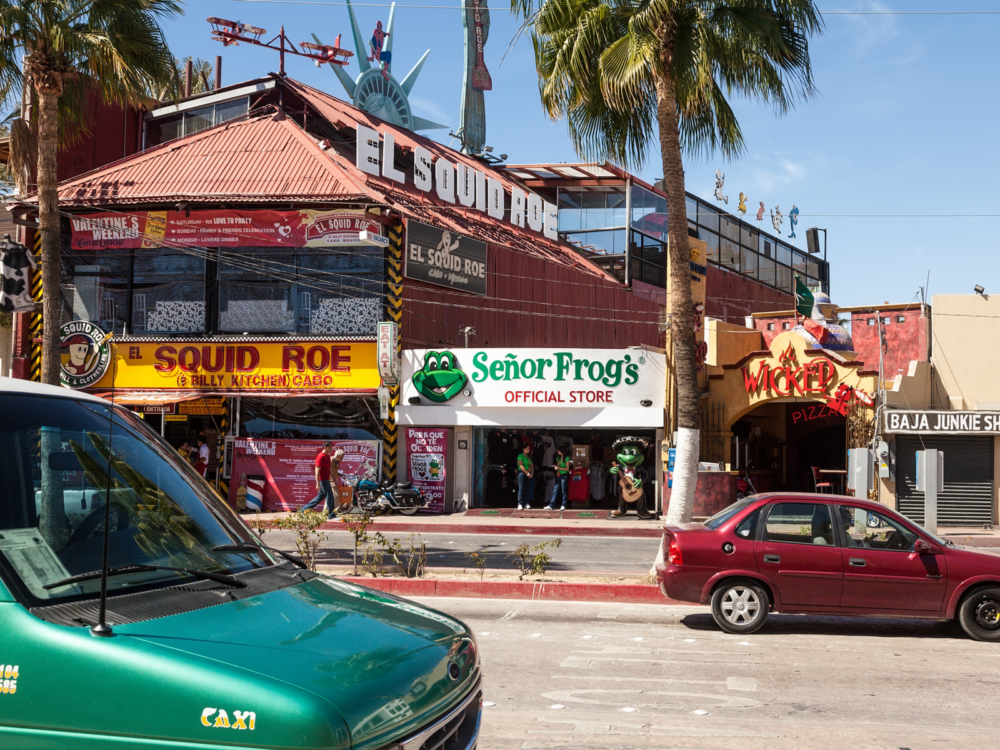
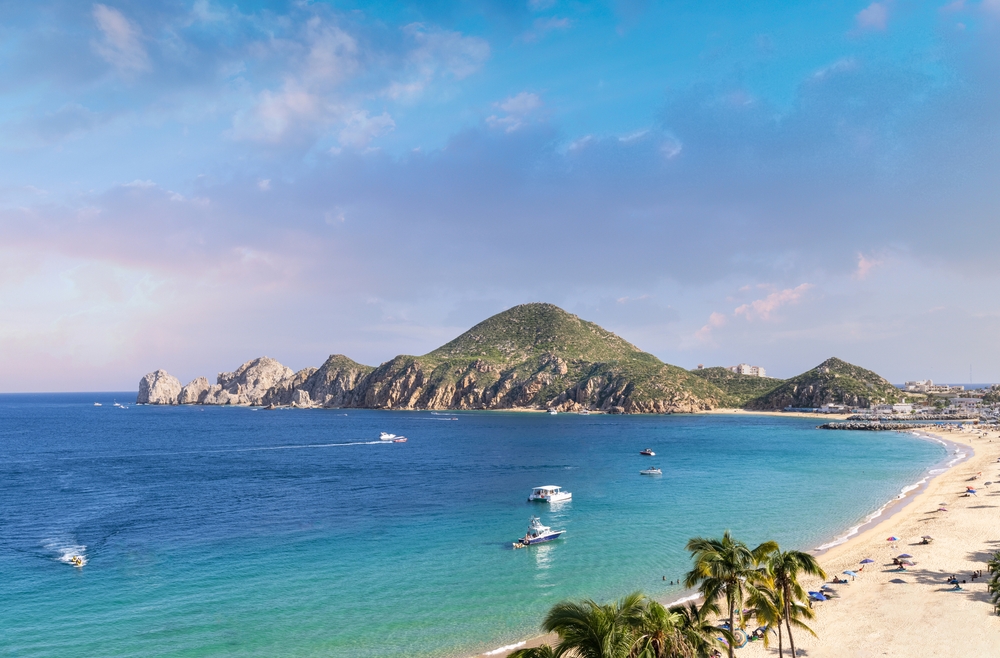
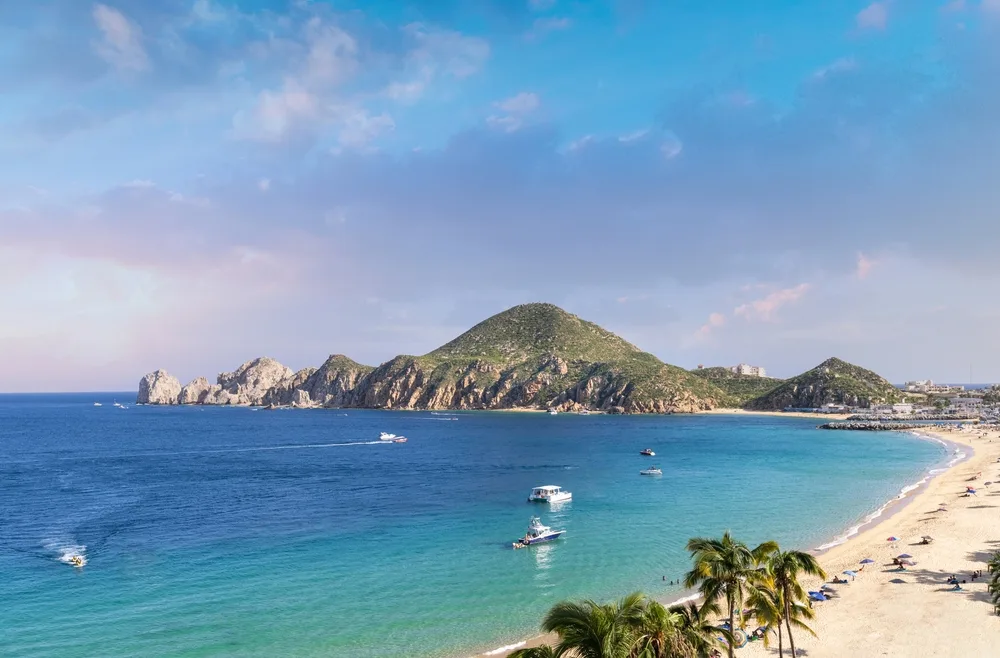
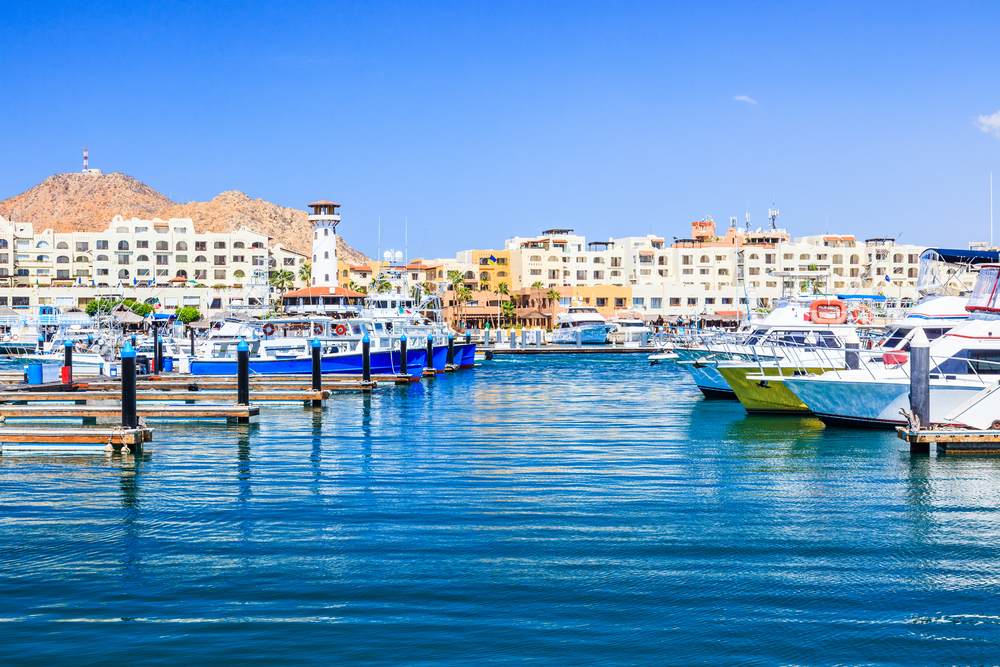
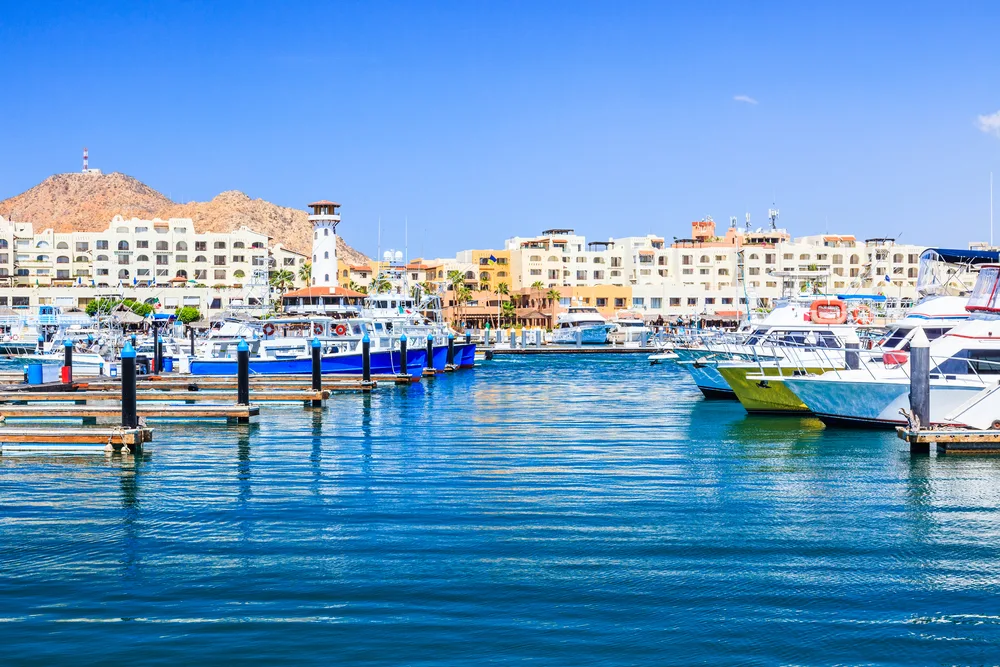
The tourist corridor – the roughly 20-mile stretch from Cabo San Lucas through the Corridor to San Jose del Cabo – is well-patrolled, well-lit, and where the overwhelming majority of visitors spend their entire trip. Inside this zone, the marina, Medano Beach, the resort strip, and downtown Cabo San Lucas are all considered safe for tourists.
A few areas worth knowing about:
- The city center gets crowded, and crowds attract pickpockets. Keep your valuables secured and your bag in front of you in busy market or shopping areas.
- Residential neighborhoods north of the airport are less developed and have higher crime rates. There is no tourist reason to be in these areas, but it is worth knowing they exist.
- Santa Rosa in San Jose del Cabo is a residential area with higher reported crime. It is not a tourist destination, but travelers transiting on the Trans-Peninsular Highway should keep car doors locked and not stop when flagged down by strangers.
- After dark generally – the same basic rules that apply anywhere apply here. Avoid walking alone late at night, take a reputable taxi or rideshare back from bars and clubs, and trust your instincts if a situation feels off.
Practical Safety Tips for Cabo
eskystudio/Shutterstock
These are the precautions that actually matter for most visitors:
- Transportation: Book airport transfers in advance through your hotel or a reputable operator. Unlicensed taxis overcharge and occasionally involve more serious issues. Uber operates in Cabo but is technically in a legal gray area – drivers may ask you to sit in the front to avoid attention. Ride-sharing apps are generally considered safe in practice.
- ATMs: Use ATMs inside bank branches or your hotel, not standalone machines on the street. Card skimming is a real issue in tourist areas.
- Nightlife: The nightlife in Cabo is genuinely fun, but it is also where most tourist incidents occur. Avoid leaving drinks unattended, don’t overdo it in unfamiliar environments, and never purchase drugs. The drug market is cartel-controlled, and engaging with it puts you in direct contact with organizations responsible for the violence you want to stay far away from.
- Valuables: Use your hotel safe. Don’t bring passports to the beach. Don’t wear expensive jewelry or flash large amounts of cash. None of this is unique to Cabo – it is standard travel sense anywhere.
- Water: Don’t drink tap water. Stick to bottled or purified water for drinking and brushing teeth.
- Beach safety: Cabo’s beaches can have strong riptides, particularly on the Pacific side. Not all beaches have lifeguards. Pay attention to flag systems – red means stay out, yellow means swim with caution, green means safe conditions. Medano Beach on the Sea of Cortez side is the safest and most popular swimming beach in Cabo San Lucas.
- Health: Sun protection and hydration are genuine concerns in summer heat. Scorpions and other desert wildlife are present in the region – shake out shoes and clothing if you have been in non-resort outdoor areas. Check CDC Travel Health Notices for any current health advisories before you go.
Is Cabo Safe for Families?
Yes. Families make up a significant portion of Cabo’s visitors, and the resort corridor is well set up for them. Resorts employ their own security staff, beach areas near hotels are patrolled, and the general environment in the tourist zone is calm and family-friendly. The main practical concerns for families are the same as for any visitor – beach flag awareness, sun and heat, and keeping an eye on belongings in crowded areas.
Is Cabo Safe for Solo Travelers?
Broadly yes, with the usual caveats. Solo travelers – particularly solo female travelers – should apply extra caution after dark, avoid walking alone in less-trafficked areas at night, and be thoughtful about nightlife situations. The resort zones and tourist areas during the day are fine. Evening activities are manageable with basic awareness. The tips around transportation, ATMs, and nightlife above apply with particular emphasis.
Frequently Asked Questions
SCStock/Shutterstock
Here are some common questions people ask about Cabo:
Is Cabo San Lucas safe to visit right now in 2026?
Yes. As of early 2026, Cabo San Lucas is operating normally and is safe to visit. The February 2026 security events affecting Puerto Vallarta and Jalisco did not impact Cabo San Lucas or Baja California Sur. Los Cabos International Airport and the resort corridor continued normal operations throughout.
What is the U.S. travel advisory for Cabo San Lucas?
Baja California Sur, which includes Cabo San Lucas and San Jose del Cabo, holds a Level 2 advisory from the U.S. State Department. This means "Exercise Increased Caution" and is the same level assigned to France, Italy, and the United Kingdom. There are no travel restrictions for U.S. visitors.
What are the most common crimes affecting tourists in Cabo?
Petty theft is by far the most common issue - pickpocketing in crowded areas, credit card skimming, and overcharging by unlicensed transportation. Violent crime against tourists is rare. Most violent incidents in the area are cartel-on-cartel and do not involve visitors.
Is it safe to walk around Cabo San Lucas at night?
In the main tourist areas - the marina, downtown, and Medano Beach - walking at night is generally fine with normal awareness. Avoid walking alone on poorly lit streets or straying outside the tourist corridor after dark. Take a taxi or rideshare back from clubs and bars rather than walking.
Which is safer, Cancun or Cabo?
Both are safe tourist destinations with similar types of risk profiles. By the Numbeo Crime Index, Cabo scores 44.5 compared to Cancun's 56.1. Both have seen increases in drug-related violence tied to the growth of their tourism economies, but tourist-targeted violent crime remains rare in both destinations.
Is Uber safe in Cabo San Lucas?
Uber operates in Cabo and is generally considered safe to use. It exists in a legal gray area and drivers may ask passengers to sit in the front seat to avoid scrutiny. Many visitors use it without issue. For airport transfers, a pre-booked shuttle through your hotel or a licensed operator is the most reliable option.
Should I be worried about cartels in Cabo?
Cartel activity exists in Baja California Sur, as it does in much of Mexico. However, tourist-targeted violence tied to cartels is extremely rare in Cabo. The best precaution is a simple one: never purchase drugs while in Cabo. Doing so puts you in direct contact with cartel-controlled supply chains and is the most reliable way to create a problem on an otherwise safe trip.
Is it safe to rent a car in Cabo?
Renting a car is generally fine for getting around the tourist corridor between Cabo San Lucas and San Jose del Cabo. For areas farther afield, take the same precautions you would anywhere - keep doors locked, don't stop for strangers on the highway, and avoid driving after dark in unfamiliar areas.
Final Verdict
| 📈 Violent crime rate | 138.26 per 100k (2021) |
| 👮♂️ Most common crime | Petty theft |
| 🏠 Worst neighborhood | City center |
| ❓ Safety tip | Stay on your resort |
Cabo San Lucas is a safe destination for tourists who apply reasonable common sense. It is not crime-free – no destination is – but the risks most visitors face are petty rather than violent, and the destination has invested meaningfully in tourist security over recent years. The Level 2 advisory from the U.S. State Department is real, but it is also the same rating given to some of the most visited countries in Europe.
The single most effective thing you can do to have a safe trip to Cabo is stay within the tourist corridor and use your resort or reputable transport for getting around. Beyond that, the same awareness you would bring to any unfamiliar city is genuinely sufficient.
For real-time updates before and during your trip, consider enrolling in the Smart Traveler Enrollment Program (STEP), a free U.S. State Department service that registers your trip with the nearest embassy and sends you security alerts.