.


  You are here >


Next weekend TEFL Course Dates


WALK WITH LIONS IN ZIMBABWE

Extremely close encounters with lions on this Lion Breeding Project in two beautiful locations. This is the only project in the world where you can take lions for a walk through a Game Reserve - a unique and unbelievable experience!

It is heartbreaking, but the number of lions in Africa is decreasing at an alarming rate. Current patterns indicate that within a very short time there will be no lions left on this continent. On this very worthwhile and necessary Lion Breeding Project, your work will assist in helping this project to continue and, over the long term, will also hopefully contribute to preventing the decrease in the lion population in Africa.

SUMMARY FACTFILE
Start Dates All year round!
Duration From 2 weeks up to 1 year, subject to visa restrictions.
Requirements Be willing to muck in with anything! Minimum age 17.
Price From £1,195 / US $1,795 for 2 weeks, ranging to £3,595 / US $5,395 for 8 weeks. Full Price List and other Currencies
What's included

Accommodation Food Meeting you at the Airport Transfer to your accommodation Transport to and from your project Full pre-departure support Local in-country team support and backup 24-hr emergency support.

What's not included Flights, Insurance, Cost of Visas (if a visa is required, but we'll provide necessary documents and assistance).
Who can do this Project? All projects are open to all nationalities.
You need to be aged between 17 and 70+


NB. You have to be a minimum of 1.55 metres (5.1 feet) tall to participate on this project

Also on this page:


PROJECT OVERVIEW
This outstanding project where you'll work hands-on with lion cubs takes place in two amazing environments. You can choose to work at either of the following locations (please click to read about the work at each location:

  1. Fantastically beautiful Gweru or

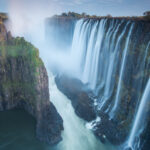
  2. Near the awesome Victoria Falls

PROJECT HIGHLIGHTS:

  • Walk alongside lions as part of the pride and enjoy the exhilaration of being part of a hunt as the young cubs learn to stalk their prey

  • Work on the world’s leading programme for the release of lions back into the wild

  • Experience the African bush in a very special way. You will be actively involved in a number of conservation activities

  • Immerse yourself in local Zimbabwean culture

  • Take advantage of optional trips to see more of the area’s spectacular wildlife areas in neighbouring Botswana or Zimbabwe including the enormous Hwange National Park, with the chance to walk with rhino at Matopos National Park and visit the lion rehabilitation programme’s breeding base

  • Make friends for life with the other international volunteers on the programme
     

WHAT YOU'LL GAIN FROM DOING THIS PROJECT:

  • An exciting, never-to-be-forgotten adventure into Africa and the Zimbabwean culture.

  • You'll learn a lot about genuine conservation of African Wildlife from experts in their field.

  • New skills, more confidence, a greater understanding of a different culture, invaluable personal and professional development.

  • An entry on your CV or résumé that will put you head and shoulders above most others in the job market.

  • And best of all ... an unforgettable experience!

"The walk with the lions was the highlight of my entire life!"


.About Zimbabwe and the lion breeding and game reserve projects you can do there
The Walk With Lions and Lion Breeding Projects in Zimbabwe


ADDITIONAL INFORMATION
Volunteer Feedback

THE LION BREEDING PROGRAMME

The aim of the Lion breeding program is "To secure and, where possible, restore sustainable lion populations throughout their present and potential range within Eastern and Southern Africa, recognizing their potential to provide substantial ecological, social, cultural and economic benefits."  The project plans to do this by completing the following stages:

STAGE 1a
Young cubs born to female lions in breeding programs spend as many daylight hours in the wild, accompanied by trained lion handlers. Guides and volunteers contribute valuable data and observations. This exercise is being carried out at Gweru Park and Victoria Falls, and it is remarkable to observe the development of the natural hunting instincts of the young lions. At 18 months, these lions are able to successfully stalk and bring down a diversity of prey species.

STAGE 1b (only at Gweru)
Once sub-adult lions have demonstrated hunting skills, they are released into large (approximately 1000 acres) enclosures stocked with prey species. Release periods are planned to be from 3 to 5 days (but currently only a few hours a day), and while the lions are still monitored carefully, their periods of activity and hunting are no longer determined by handlers. At present the Gweru park is periodically releasing 18 month old lions into this enclosure (called ‘Night Lion Orientation’), and results have shown an almost 100% stalk and kill rate with wild antelope.

STAGE 2
From stage 1b, lions now used to hunt entirely for themselves will be translocated to fenced mini-ecosystems where:

1. There are no other lions except for simultaneously introduced, opposite sex groups to promote breeding;
2. There are no resident human beings;
3. There is a sufficient diversity of prey species for the lions to hunt;
4. There is sufficient space (5,000 to 10,000 acres) within fenced areas to maintain the lions – such areas will be sourced in various African countries.

STAGE 3
The offspring of lions born to Stage 2 lions and therefore raised in a totally natural environment, can be slowly introduced into appropriate protected areas. With the economic situation of many African countries in a stage of revival, there is a desire to restore and reconstruct wildlife areas to vitally contribute to national economies. The Lion Encounter has already received many requests to assist in lion reintroduction.

As heartbreaking as it is, the lions of Africa are decreasing at an alarming rate.
Current patterns indicate that within a very short time there will be no lions left on this continent. Factors that affect the decreasing number of lions include rampant poaching, uncontrolled (and "canned") hunting and diminishing natural habitats. Diseases such as Feline Immunodeficiency Virus (FIV), which leads to lions contracting Bovine Tuberculosis, are another killer of these wonderful animals. A recent headline in the South African Sunday Times read 'Kruger lions dying like flies'. The cause - incurable bovine tuberculosis. Of 33 lions tranquillized and tested, 32 lions were TB positive. Forecasts are that it is possible that within 5 years, 95% of the Kruger lions will have died from TB.

The project leaders who own these projects feel passionately about Zimbabwe and the state of the lion population in Africa. As a result they run a Lion Breeding Programme with the express objectives of preserving the African lions by producing a quality gene pool and rebuilding the diminishing numbers of lions, and also reintroducing the offspring back into the wild in environments where they will have the best possible opportunity for survival and a good quality of life.

Having started with just six lions and run-down, only partially fenced facilities, they have built the programme into a magnificent Game Reserve and Lion Breeding facility. Since 1987 new bloodlines have been imported from Tanzania and various other captive breeding units in Zimbabwe and a strictly monitored breeding programme was commenced to ensure that no in-breeding took place. DNA and TB tests were carried out with the assistance of a veterinarian attached to the World Wildlife Fund (WWF) and the lions are regularly vaccinated against Rabies.

There are currently around 50 lions of various ages within the Gweru park. The aim is to build up a gene-pool for other breeding programmes in Africa and the rest of the world, and in 1999 alone, over 20 lions were exported to a similar facility in South Africa, a step in the direction of fighting to ensure the survival of these Kings of the Jungle. The owners firmly believe that controlled re-introduction of the offspring of captive bred lions into the wild can succeed and enable them to live in their natural environment

The lion breeding program is mainly funded by tourist facilities, such as the Lion Walk, swimming with elephants, etc. Without this funding the Lion Breeding Programme couldn't exist.

Our volunteers' work assists in helping this project to continue and, over the long term, will also hopefully contribute to the helping to prevent the decrease in the lion population in Africa.

The owners of the Gweru park have followed on from their experiences and have now started the Lion Walking Project at Victoria falls. The first commercial lion walks took place on Friday 25th March 2005 and there are usually about 5 lion cubs based at Vic Falls. Over time they hope to increase the amount of lions at Victoria Falls and start the Lion breeding programme there as well. The location is ideal for tourism - as this is the main financial backer for the project it is an excellent location to draw additional funds and spread the word about the plight of the African Lion. Victoria Falls is also a superb location to translocate any lions to Zambia and other African countries when the time is right.

YOUR WORK AT VICTORIA FALLS: (click here for information on your work at Victoria Falls)

YOUR WORK AT GWERU: (click here for information on your work at Gweru)


Bobby, the head guide, taking a rest with some of the Lions at Victoria Falls.

Lions - Photo Gallery

Suite 2A, Caravelle House, 17/19 Goring Road, Worthing,
West Sussex, BN12 4AP, England
Tel: +44 (0)1903 502595    Fax: +44 (0)1903 708179

Email: info@travellersworldwide.com

British Safety Council Logo

Travellers is a Founder Member of the Year Out Group
Web site designed by ITDesigners: www.itdesigners.com
Copyright © 1999-2007 TravelQuest Limited;
Last modified: July 30, 2010