Kenya is the heart of African Safari country! But Kenya is not just about big game - it also has beautiful,
unspoilt beaches, thriving coral reefs with their
glorious colours, memorable mountain vistas and
ancient Swahili cities.
Think of Kenya and you
think of ...
Safaris,
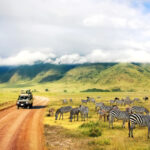
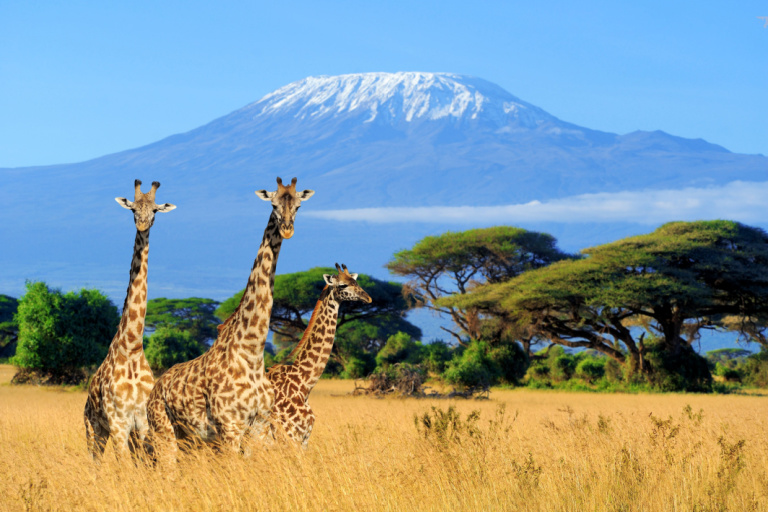
Elephant, lion, zebra,
giraffe ...
The Masai Mara stretching
to infinity,
Serengeti, the Great Rift Valley
Children barefoot
in the African dust,
Nairobi, Robert Ruark,
Masai resting under
baobab trees
"Revered by
anthropologists as the 'cradle of humanity', Kenya is also the heart of African
safari country, boasting the most diverse collection of wild animals on the
continent. And no matter how many Tarzan movies you've seen, nothing will
prepare you for the annual mass migration of wildebeests."
Beaches, Game Reserves, Coral Reefs, Mountains --- Kenya has them all.
We have a wide range of placements you can do in Kenya, plus
some additional fun specials, too!
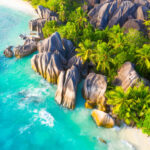
Kenya is
not just about big game - it also has beautiful unspoilt
beaches, thriving coral reefs
with their glorious colours,
memorable mountain
vistas and
ancient Swahili cities.It is an
independent republic which lies on the Indian Ocean
coast and forms part of the East African Region. The capital city is
Nairobi, and its’ other major towns are Nakuru and Kisumu and the port of
Mombasa.
The
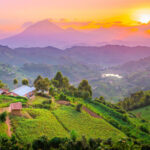
topography and scenic beauty in Kenya is breath taking, ranging from: the
vast rift Valley to the rolling savannas, the isolation of the desert
regions in the north, the magnificence of the highlands, with it’s central
piece - the world famous glaciated peaks of Mt. Kenya.
Mt Kenya, situated in the Laikipia district, is one of the greatest sites
in Africa. There are many tours which will allow you to climb this
magnificent natural site, and it is only one of the things you will not
want to miss out on!
The
people here are extremely friendly and their hospitality can sometimes be
over whelming. Their culture and traditions date back for centuries, and
with up to 70 different tribal communities you will find plenty to talk
about.
The
transport and open markets are chaotic and summarise Kenya in a word. They
will have you wondering where you are, but also glad to be in one of the
most intriguing and amazing places available to travel to.
"I usually spend the weekends with the other
volunteers. We either travel around, seeing the sights, or we go to
the beach. If it weren’t for the beach boys (harassing you for money)
it would be idyllic – white sands, palm trees, clear blue sea. I’ve
had some pretty amazing experiences so far, from seeing a whale and
her calf, and snorkeling over a coral reef, to attending a
“goat-party” (which involved slaughtering and skinning the goat before
eating it!). Future plans include going on a safari to Lake Nakuru
and the Masai Mara. I can’t wait!!"
Olivia Raven on her placement with Travellers.
To see what Support
& Backup we provide in our countries,
please click here
Teaching: All types of teaching
projects, from
English to Music and Drama, Maths to IT. No qualifications required.
Sports:
There are different sports projects to choose
from, including football, swimming, volleyball and Total Sports, where
you can coach a variety of sports.
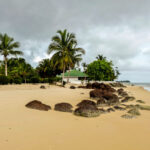
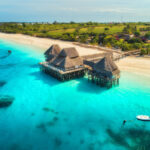
Mombassa's beaches are amongst some of the most picturesque in the
world Street Vendors offering freshly
picked exotic fruits are plentiful in Mombassa
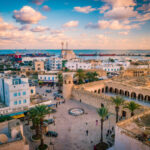
Mombasa is an
island connected to the mainland by bridges and ferries
and the town itself overlooks a fascinating harbour of traditional sailing
dhows alongside commercial shipping. To most
people, Mombasa is a wonderful place, a combination of a tourist resort and
a working city with a throbbing heart and laid-back attitude.
This
sultry area offers interesting things to see, beaches to relax on and
beautiful nature reserves to visit. Mombasa is a bustling city with a
history stretching back to the 12th century. There is a vibrant mixture of
cultures, architecture and entertainment.
The true heart of Mombasa is the exotic old town.
Here the streets are narrow and winding and filled with the heady scent of
spices. Amongst the Arab architecture you'll find women wearing the
traditional bui bui and busy markets
that throb with life and colour, all added to by the wrap-around cloth of
the traditional coastal khanga and kikoy that is
worn by both men and women.
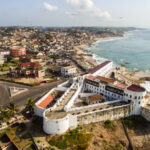
Fort Jesus lies at the edge of the water. This is
an imposing fort that stands watch over the harbor. It
was built in the 16th century and has high gun turrets, battlements
and underground passages.
Modern Mombasa is a city of great diversity and life. This is a town were
all are welcomed and quickly absorbed into this great coastal melting pot.
Mosques, Hindu Temples and Christian churches surround streets that thrive
with a world of cultures.
Outside Mombasa, at the Shimba Hills National
Reserve, you will encounter a lovely forest setting with elephant, leopard
and the rare, sable antelope.
Towards the south, there are a number of beaches and resort hotels. The
beaches are white and sandy with coral reefs which are
heaven to scuba and skin divers. Further south,
on Shimoni and Wasini islands, authentic
Swahili culture survives and you can also visit the
protected marine reserve. North of Mombasa there are also several
beaches like Nyali, Bamburi, Shanzu, Kikambala and Vipingo.
Nairobi is Kenya's principal
economic, administrative, and cultural centre and is one of the largest
and fastest growing cities in Africa. Currently
population is just over a million and a half.
Walking around Nairobi is fascinating.
It has an atmosphere of its own - cheerful, warm, and very African. The
streets are pretty dusty and even in the heart of the city there are
cattle and goats grazing on the grass verges ... it's disconcerting to a
visitor initially, but it's all part of the city's character and you soon
come to expect it.
The
Kenyatta International Conference Centre is
a symbol of modern progress in Nairobi, Kenya's capital city. Tourists can
really take a walk on the wild side here. Right in the middle of the city
is a 44-square mile park, the Nairobi National Park,
filled with rhinos, cheetahs and other wild animals!The Park is
a major tourist attraction.
Other points of interest include the National Museum
of Kenya, known for a display on early humans in Africa; the
Parliament buildings; the law courts; City Hall; McMillan
Memorial Library; the busy Municipal Market and nearby bazaar;
the Kenya National Theatre; and Sorsbie Art Gallery.There are numerous supermarkets and several
new shopping malls within the city centre as well as in the suburbs.
Located in an area once frequented by the pastoral
Masai, Nairobi was founded in the late 1890s as a British railroad
camp on the Mombasa-to-Uganda railroad. From 1899 to 1905 it served as a
British provincial capital. In 1905 the city became the capital of the
British East Africa Protectorate (called Kenya Colony from 1920 to 1963).
In 1963 Nairobi became the capital of independent Kenya and annexed
neighboring areas for future growth. Population (1990) 1,504,900.
Nairobi's most famous attraction is
the Nairobi National Park with it's famous
animal orphanage.
Another fascinating place to visit that is
very close to Nairobi is the Giraffe Centre
and Giraffe Manor, where a herd of rare
Rothschild's giraffe lives protected. The setting is
in a beautiful garden and you can
pat the animals from a raised platform - a rare experience!
The Maasai Mara is Kenya's
finest wildlife sanctuary. Everything about this reserve is outstanding.
The wildlife is abundant and the gentle rolling grassland ensures that
animals are never out of sight. Birds too are prolific, including migrant
birds and 57 species of birds of prey.The climate is gentle, rarely too hot and well spread rainfall year round.
When it rains, its is almost always in the late afternoon or night.
Between July and October, when the great wildebeest migration is in the
Mara the sensation is unparalleled.
The wildlife is far from being confined within the Reserve boundaries and
an even larger area, generally referred to as the 'dispersal area' extends
north and east of the game Reserve. Maasai live within the dispersal area
with their stock but centuries of close association with the wildlife has
resulted in an almost symbiotic relationship where wildlife and people
live in peace with one another.
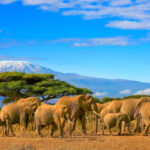
The first sight of this park is breathtaking. Here the great herds of
shuffling elephants browse among the rich tree-studded grasslands with an
occasional sighting of a solitary and ill-tempered rhino, Thompson's and
Grant's gazelle, topi and eland and many more species of plains' game
offer a rich choice of food for the dominant predators; lion, leopard and
cheetah which hunt in this pristine wilderness.
In the Mara River, hippo submerge at the approach of a vehicle only to
surface seconds later to snort and grumble their displeasure. But this
richness of fauna, this profusion of winged beauty and the untouched
fragility of the landscape, are all subordinate to the Mara's foremost
attraction, the march of the wildebeest.
Apart from the better known species, there are also other rare ones that
can be added to the visitor's checklist. These include the roan antelope,
the Bat-eared foxes and thousands of topi.The combination of a gentle climate, scenic splendour and untold numbers
of wildlife makes the Masai Mara National Reserve Kenya's most popular
inland destination.
Volunteers with tribal villagers on a
weekend excursion
THE WILDEBEEST
MIGRATION
Kenya's most spectacular annual event is
staged by ........ wildebeests.
Literally millions of these ungainly antelopes
(about 2 million) move en masse in July and August from the Serengeti in
search of fresh grasslands. They head south again
around October. The animals spend the rainy season (March – April) widely
scattered in the area around Ngorongoro in the southern part of the
Serengeti Park (Tanzania). By March this area usually
dries up and huge herds form and the animals start moving north towards Masai
Mara in Kenya. The herds arrive in Masai Mara around
August – September and stay there until November. The
calving starts with the normal time for the rainy season. If the rain is delayed
a large percentage of the calves will die due to lack of food.
The best place to see this
migration is at the Masai Mara National Reserve in
Kenya.Certainly one of nature's greatest
spectacles, the great wildebeest migration can be an awesome sight.Another good time to view the wildebeest is
during the calving season in February.
MISCELLANEOUS INFORMATION:
A Volunteer at the Giraffe Park
Another
place you may want to visit in Kenya isEldoret.
Eldoret is a
lovely, typically African city of about 500,000
people, located on the Equator. The atmosphere in the
town is quite special and a visit there would be well worth the trip. It's
close to the Great Rift Valley as well, which makes it doubly attractive.
Eldoret is approx. 6,900 feet above sea
level, generally hot during the day and pleasantly cool in the evenings.
One of the more fascinating sights
in Eldoret is the Jua Kali (means 'hot sun'). This is a 'workshop' area
where entrepreneurial types recycle scrap metal, tyres (and anything else they
can find) into usable equipment, such as watering cans, shoes, buckets, etc.
It's a bustling cacophony of sound and a great experience to walk around and
chat to the locals while chewing on a stick of sugar cane! What these people can
do with discarded junk is amazing.