


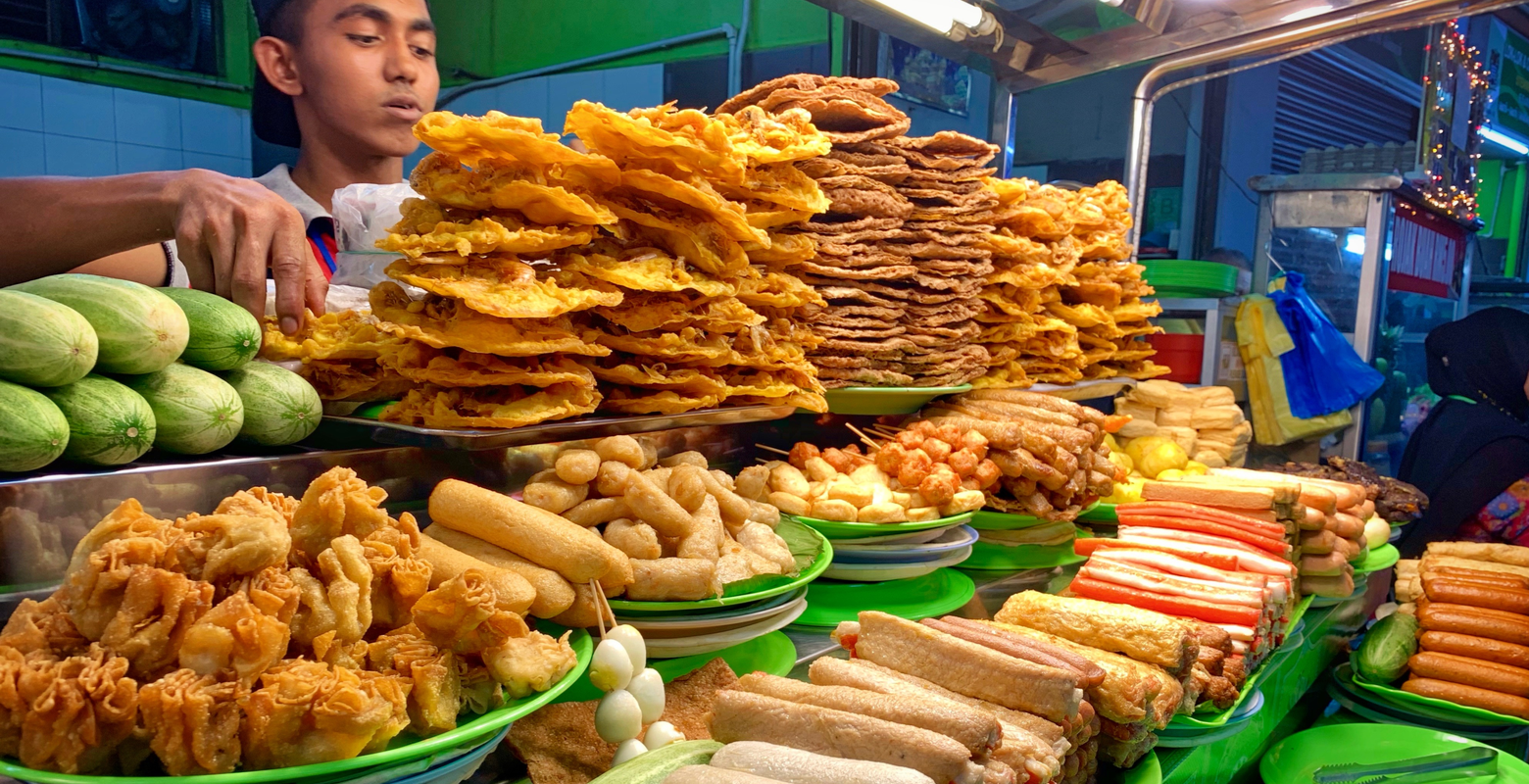
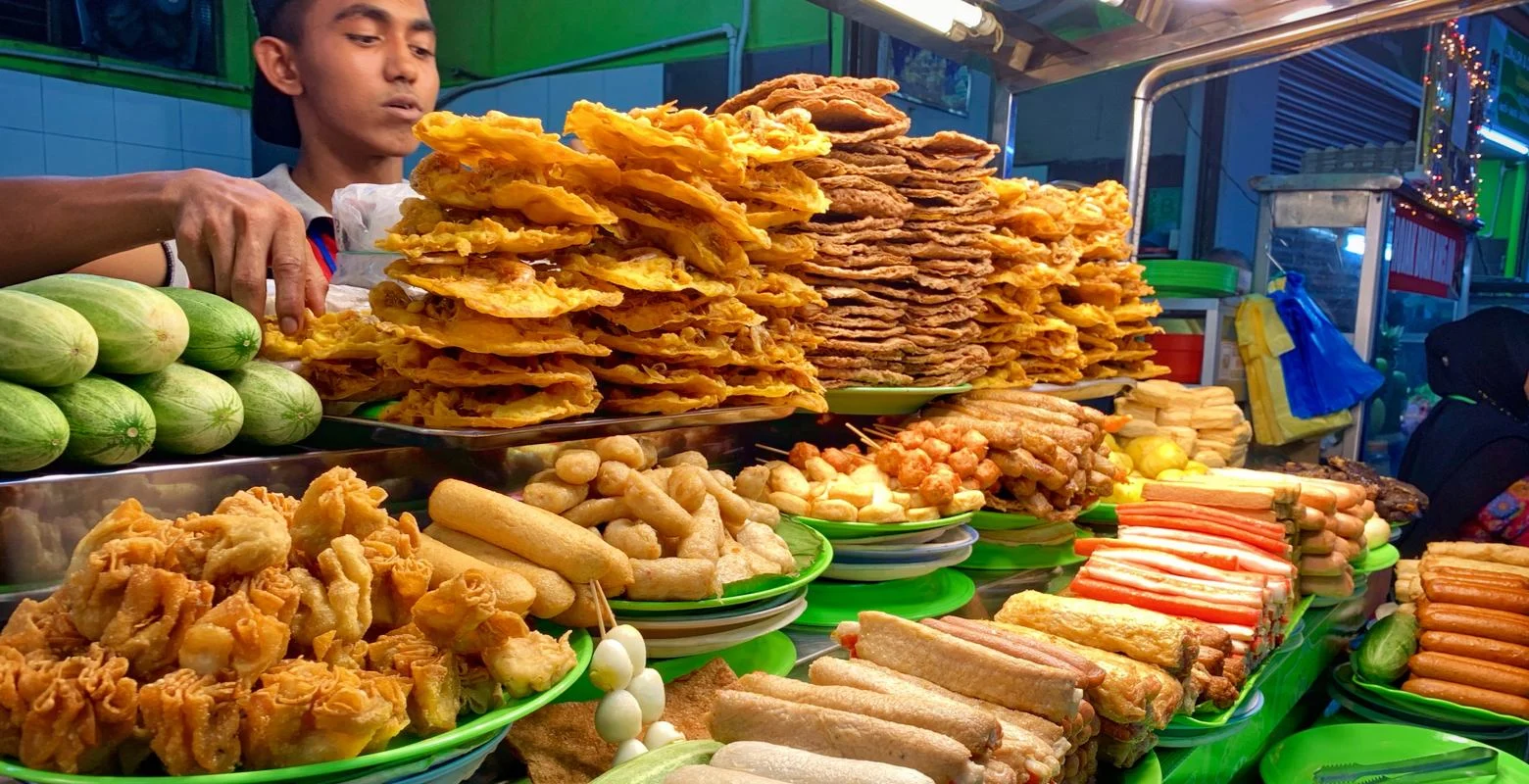
If you’re a devoted foodie who is always on the lookout for the best culinary treats to munch on, then you are definitely in for a pleasant surprise when you try Malaysian food.
Overview
Most travelers know Malaysia for its several top-rated tourist attractions like the Petronas Twin Towers in Kuala Lumpur, the Gunung Mulu National Park in Sarawak, the Batu Caves in Selangor, or Mount Kinabalu in Sabah.
But this Southeast Asian country is also a treasure trove of gastronomic delights just waiting to be discovered.
Characterized by their bold yet refreshing flavors, typically with vivid hints of spice and creaminess in every bite, Malaysian food is the culmination of the merging of different tastes, cooking techniques, select ingredients and the universal love of eating.
A Place of Gastronomic Fusion
For starters, the term “Malaysian food” is actually an amalgamation of three (3) very distinct cuisines coming from the largest ethnic groups living in the country, particularly Chinese, Indian and Malay.
The Chinese are known for their assortment of noodles, the Indians for their various curries and the Malays are noted for their lineup of rice dishes.
Although these cuisines started out entirely separate from each other, years and years of socializing and trade paved the way for the sharing of culinary preferences, which mainly involved comparing recipes as well as best practices in the kitchen.
This eventually led to one cuisine borrowing one element from another resulting in the fusion and interplay of flavors, textures and aromas.
Malaysia’s Unique Peranakan Cuisine
Perhaps the most significant of these fusions when it comes to Malaysian food is the Peranakan cuisine, also affectionately referred to by the locals as Baba-Nyonya, which is the combination of Chinese and Malay kitchen influences.
This unique type of cuisine originated when Chinese settlers intermarried with the local Malays sometime in the 15th century.
The nearest translation of the word “Peranakan” in English is “locally born and bred,” which refers to the descendants of these Chinese-Malay marital unions.
On the other hand, “Baba” is a term of endearment for men, while “Nyonya” is the customary nickname for women held in high regard.
You can experience authentic Peranakan cuisine as well as numerous other dishes that reflect Malaysia’s eclectic food scene when visiting the historic city of Penang.
Also called George Town for its British colonial past, Penang is known as the country’s food capital and is the ultimate go-to place for local culinary favorites.
Common Ingredients You’ll Encounter
Whether you’re tucking into a plate of nasi lemak — a traditional Malay rice dish — or relishing a bowl of bak kut teh — a Chinese herbal pork soup — you’re sure to encounter common ingredients that give its dishes a distinctive zing.
Regardless of the type of cuisine where a particular dish comes from, Malaysian food usually consists of dried fish, specifically anchovies, lemon grass, tamarind, curry, coconut milk and chili paste.
Depending on the cooking techniques used, other ingredients that are also deemed essential in Malaysian cuisine.
These include onions, garlic, carrots, bamboo shoots, turmeric, scallions, galangal root, lime leaves, coriander, vinegar, sweet soy sauce, palm sugar and chopped nuts, which are normally used for toppings.
Where to Find Hidden Culinary Gems
What’s really interesting about Malaysian food is that you don’t have to go to expensive restaurants or posh dining places to try some of the best dishes the country has to offer.
If you’re looking to really captivate your taste buds without spending a lot of money, checking out the local “hawker centers” is the easiest and most practical way to go. They are just about everywhere and each city or town in Malaysia has a few.
Hawker Center 101
A hawker center is basically a place where a number of individual food stalls or food carts converge.
Depending on the area, there are those that specialize on only one specific type of dish, say noodles or curry, or offer several types of delicacies all at once.
You can describe a hawker center as a rustic group of restaurants under one roof where you can order different kinds of food and drinks from several vendors one after the other.
While takeout is one option you can go for when visiting a hawker center, there are also tables and chairs available if you’d like to enjoy your fare on the spot.
It is important to remember, though, that a number of these hawker centers are set in or near old-fashioned buildings because they are targeted to the masses.
Although the setting may be a bit outdated, you’re sure to enjoy some tasty treats when you visit one of these down-to-earth food complexes.
Some of the most visited hawker centers in Malaysia include Pulau Tikus Hawker Center, New Lane Street Foodstalls, Presgrave Street Hawker Centre, Lot 10 Hutong Food Court as well as Gurney Drive Hawker Centre.
Kedai Kopis
The kedai kopis, also known as kopi tiam, is a smaller and more compact version of the hawker center. It is usually located in an open-air area and specializes in fares that can be quickly prepared such as juices, coffees and native pastries, among others.
If you prefer downing your food with an alcoholic drink like beer, visiting a kedai kopis is the more viable option. Most hawker centers only offer soft drinks as well as a number of fruit juices.
Key Eating Customs You Need to Take Note Of
When eating Malaysian food, there are some important table customs that you need to keep in mind to make your experience as enjoyable as possible — and not get weird looks from the other diners while at it as well.
Always wash your hands.
Most Malaysians, especially those of Indian and local Malay descent, choose to eat with their hands during meals, particularly when rice dishes, fried fares and semi-dry curries are served.
While it is important that you give both of your hands a meticulous wash before tucking in, it is crucial that you only use your right hand to scoop up food.
This is because the locals believe that the left hand is only used for taking care of business in the toilet. Eating places like restaurants, hawker centers and kedai kopis usually have a communal sink to wash your hands.
Some eateries also provide a pitcher of water as well as a basin for patrons solely for handwashing. You can also use a hand sanitizer or wet wipes in case the facilities are very busy.
Use a serving spoon properly.
Malaysian food is almost always served family style and you’ll have to get your very own portion using a serving spoon during your meal.
When scooping up food from the main plate or bowl to your own — with your right hand, of course — make sure that the serving spoon does not touch your plate or bowl while doing so.
Local tradition dictates that this is a gesture of respect for your fellow diners.
The right way to pass dishes.
When you are passing plates or dishes to other diners, make it a point to use your right hand when doing so. Also remember to keep the dish facing right side up.
It’s also important to take note not to let any of your fingers touch the inner surface of the plate.
Blowing your nose is a big no-no.
Whether you’re enjoying Malaysian food in a hawker center, kedai kopis or some other culinary establishment, always remember to avoid blowing your nose right at the table or when in close proximity to other diners.
This is considered extremely rude and very unhygienic by the locals. Other deeds that you should steer clear of also include picking your ears, doing a bit of stretching at the table, cracking your knuckles and clearing your throat in a loud manner.
Always accept food offered by other diners.
Generosity and sharing are key tenets in Malaysian culture and if another diner offers you food, the best thing to do is accept it. This is because refusing food is considered taboo by local standards.
The same rule also applies to beverages. It’s also customary to thank the person offering profusely and to try the food or drink given to you in front of him or her.
Best Dishes to Try
While there are lots of Malaysian food favorites that you can try when visiting this Southeast Asian country, here are some of the must-try delicacies that you should have in your checklist:
Nasi Lemak
Considered as the unofficial national dish of Malaysia, nasi lemak roughly translates to “rich rice” or “fat rice” in English. There are countless variations of the recipe, depending on where you are in the country.
But it is basically rice cooked in coconut milk and served with peanuts, sambal sauce, cucumber, dried anchovies, a bit of curry and a hard-boiled egg.
Beef Rendang
Beef rendang is deemed as one of the more luxurious Malaysian fares because it is usually the dish of choice during important occasions such as weddings, birthdays, graduations, baptisms and anniversaries, among others.
Choice beef cuts are slowly cooked in a stew of coconut milk, tamarind pulp, galangal root, lime leaves, star anise and other ingredients until they become really soft and tender.
This dish has become quite popular worldwide after chef and TV personality, Gordon Ramsay, personally went to Malaysia to learn how to prepare it.
Fish Head Curry
Sure the name of this dish may sound a bit scary at first, but this Malaysian favorite has already gathered quite a following among tourists for its combination of sweet flavors of the meat from the cheeks and jaws of the red snapper and the unique zing from the curry, okra and eggplant.
Cendol
Deemed as Malaysia’s equivalent to the sherbet, this iced dessert is made from coconut milk, creamed corn, kidney beans, glutinous rice, pudding and palm sugar syrup. The toffee-like consistency of the palm sugar syrup gives this treat a very interesting texture.
San Choy Bau
Also known as Chinese lettuce wraps, this dish is one of the country’s favorite appetizers. Its ingredients usually include water chestnuts, red peppers, ginger, baby corn, oyster sauce, spring onions as well as minced chicken that was either previously stewed or fried.
The whole thing is then rolled up in a lettuce leaf and ready to be enjoyed.