Travellers voluntary projects overseas for gap years, career breakers, grownup gappers, mature gappers and retired people.

+44 01903 502595
Email Us
Get a brochure

  You are here >

Where would you like to go?


Search this website


Travellers Sponsorship Beneficiary Wins 2007 International Children's Peace Prize! - Click here to read more...


ABOUT ARGENTINA

Magnificent mountains, vast deserts, dense forests and the majestic Iguaçu waterfalls.. from the remote wilderness of the pampas to sophisticated Buenos Aires.  

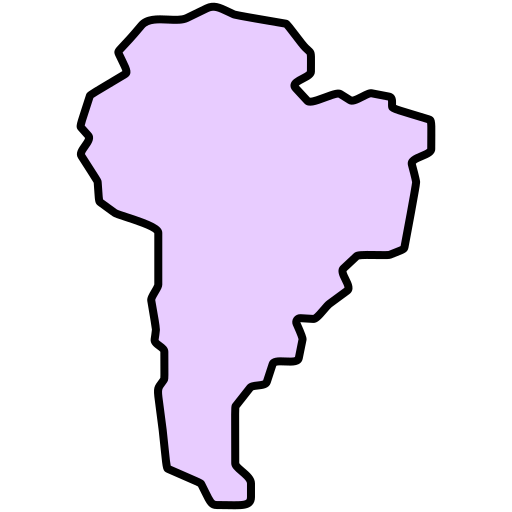
Argentina makes up almost the entire southern half of South America, and is the world's eighth largest country. Its amazing array of landscapes brags some of the world's tallest mountains, deserts, and amazing waterfalls. From the hot northern deserts, and remote areas in southern Patagonia, to the bustling metropolis of Buenos Aires, Argentina has something for all types of traveler and visitor.

You can work in the seductive, bustling capital of Buenos Aires, a city rich in cultural heritage, renowned for being a cosmopolitan and elegant capital with a surprisingly European feel. Buenos Aires is reminiscent of Paris with its tree-lined avenues and wonderful plazas which have a beguiling, faded elegance.

You can also work in the province of Mendoza, set in the foothills of the Andes mountains. This is excellent wine-country and also a paradise for adventure and mountain sports enthusiasts!   

To read about the extensive Support & Backup we provide in our countries, please click here.

'My time in Buenos Aires has been everything I hoped it would be and more and my only complaint is how quickly the time has gone since I got here. The city is brilliant and I have been very impressed with the staff at the hostel and Travellers staff who are always interested in how I am getting on and willing to help if I need it.

The teaching has been fantastic: I am working with young children, teenagers and adults so I never know what each day is going to bring. I enjoy being busy and actually working somewhere/in one place rather than just visiting as a tourist. Mucho gracias!'
Jess Corbett - Teaching in Buenos Aires, Argentina

LIVING IN BUENOS AIRES:
Buenos Aires is alive with culture and is fast becoming one of Latin America's most popular and vibrant cities, with plenty to keep you entertained at all times of the day and night.  Buenos Aires is a beautiful and seductive city situated on the banks of the Rio de la Plata. It was built by European immigrants and has a resemblance to Barcelona, Paris and Rome. The locals, known as the “Los portenos”, are renowned for their extravagant and rich cultural identity, which is reflected in the character and uniqueness of their city. The cafes, smoky tango bars, parks, and street corner football games all help form the essence of this diverse city. Not to mention the nightlife, one of the best in world, thriving with youngsters enjoying a variety of different styles of bars and clubs, often open till 7am…..or later!!

Following the financial crisis of 2001 tourism and foreign investment has boomed in the city and across Argentina and tourism is now one of the biggest industries. This increase in tourists and money, has bought together a rich mix of traditional and modern Argentina and has helped make the country one of the most popular locations in Latin America.

With recent changes in exchange rate, making the pound worth an incredible six pesos, all these wonders of Argentina are available very cheaply. Try a famous Argentinean steak and bottle of wine in an idyllic street corner for about £6 or a freshly ground coffee and Argentinean pastry, called “Media Lunas” for around £2.

Buenos Aires, a city designed in blocks, is divided into different neighbourhoods, each with their own characteristic flair. Some are old and some are new, but each ones has it own style and tells its own tale. Some of the most famous neighbourhoods include:

San Telmo - the oldest of Buenos Aires neighbourhoods has wide cobbled streets, lined with market stalls and antique shops. At weekends San Telmo comes alive with entertainers, dancers and musicians. Visit one of the many outdoor cafes for this weekly spectacle, stopping off to buy some local art work or souvenirs. 

Recoleta - considered to be one of the finest and most expensive areas of the city with French style buildings and large green open spaces. There is a cemetery in Recoleta which houses the gravestone of Eva Perón, Argentina's first lady and most famous historical figure. At the weekend a sprawling market opens, selling local artwork and food. Surrounded by cafes, it is a truly great way to wind away the long afternoons.

Palermo - this fashionable district has many parks, wide streets and old houses. It's here that you'll find the latest trends at clothes stores and boutiques, along with a huge array of unique and modern restaurants. Palermo is at it's most vibrant on Sunday's, when Plaza Sorano is taken over by market stalls providing fashionable clothes at great prices.  

La Boca -  the brightly painted multicolour tin houses within the main Caminito Street give La Boca its character. Locally produced art work and tango displays are often found here. La Boca is also home to one of Buenos Aires most famous football teams 'Boca Juniors'. For a truly unique experience, get tickets for a Boca V's River Plate match - these two teams have a history of rivalry and as such, the games are always a hugely anticipated event. 

Throughout the city you find broad plazas typical of Latin American urban centers. The most important of these is the Plaza de Mayo, linked by the Avenida 25 de Mayo with the Plaza del Congreso. Both plazas are surrounded by major government buildings such as the Casa Rosada, the presidential residence on the Plaza de Mayo. The Avenida 25 de Mayo is lined with restaurants and businesses. Nearby Avenida 9 de Julio is popularly known as the world's widest thoroughfare and, with its nine lanes of traffic, this truly is a pedestrian's nightmare!

The central business district has high-rise office buildings and retail stores. Automobiles are not allowed on the Calle Florida and shoppers roam its elegant stores, coffee houses and hotels. The nearby Calle Reconquista is the financial centre of the city. Outside the central business district much of the surrounding city has attractive cobblestone streets bordered by large, elegant houses and small, boutique style shops. Many parks and local shopping districts are spread throughout the city, giving lots of activity and also lots of tranquility.

The spirit of Argentina shines through it's national dance, the Tango... enigmatic, sultry, elegant and exuberantly passionate. Getting to grips with this dance is no easy feat but Buenos Aires is certainly the place to learn. Tango clubs throughout the city hold Milonga's which are open tango parties where all levels dance together and continuously change partners. A great way to meet locals on the tango scene, learn the music and practice your steps!

The De la Plata River plays an important role in the life of Buenos Aires. Oranges, grapefruit, cherries, plums, and vegetables grow in the delta and holiday homes flourish everywhere with thousands of people participating in river sports over the weekends. The De la Plata not only provides recreation, but also links the hinterlands with Buenos Aires and supplies water to the population.

    Teaching, Sports, Work Experience and Cultural Courses in Argentina
Adventure filled voluntary projects in Argentina
   

Projects available in Argentina:


Teaching: All types of teaching projects, from English to Music and Drama, Maths to IT. No qualifications required.

 Work Experience: Gain experience in Journalism, Law, Medicine, Radio, Tourism, Hospitality and Veterinary - and make your CV stand out from all the others!
 Mix and Match! Work in four different fields, or mix and match according to your own preferences - a quite unique project!
 Spanish Language Courses: Live, eat and breathe Spanish in Argentina's capital city.

 Tango Courses: Private Tango lessons and visits to Tango shows as part of your placement
 Salsa Courses: Private Salsa lessons tailored to your level of expertidse - beginners welcome too!
 Photography Courses: Learn photography from an expert in a city vibrant with colour and excitement!
 Sports: Coach & Play coach a variety of sports in Mendoza.


Volunteer Feedback


Current weather in Buenos Aires (close weather window to return here)

Back to Top

OUR VOLUNTEERS LOVE ARGENTINA!

"First impressions are great! I love the hostel and the people that are staying here. Made some friends quickly and the organisers here are also very professional. I've only been here 2 days but the city seems beautiful and very lively!"  
Jitesh Parikh

"I’m having a really wonderful time! I feel that I’m independent and free whilst still having a safety net to fall back on if anything goes wrong. It’s very nice to know that there are also people from the company out here to help if there are any problems. I would advise people to bring more money than they think they need here as although it is cheap, there are so many things to buy and do and with the food being so great you do eat out a lot. Also be realistic about how long you want to stay. I thought 1 month would be more than enough time but as soon as I arrived I realised I wanted to stay so much longer!"
Zahra Al-Nugaidi - Salsa / Spanish

“I have totally loved this placement so far; the teaching is very rewarding and my Spanish has improved tremendously. I think the idea of being given cash each month works really well, and I love the fact that in Casa Fitz Roy, Travellers girls get their own specific dormitory - makes you feel very safe and builds friendships quickly! Don’t think my placement could be any better right now!! I would definitely recommend this placement to anyone who wants to properly experience a culture and contribute to that culture.”
Charlotte Dickson

THE WONDERS OF ARGENTINA:

West of the throbbing capital is another Argentina, the pampas, a great open plain home to cattle and sheep farmed on the vast estancias (ranches). Some of the most popular images of Argentina are drawn from these plains: the galloping gaucho on horseback, the drinking of yerba mate, the bitter herbal tea drunk from a gourd through a metal straw, and the asado, an event loosely translated as a barbeque, where gigantic amounts of meat are consumed.

Far west of Buenos Aires lie the Andes, separating Argentina from Chile. The Andean provinces offer some of the most spectacular and varied scenery in the country, ranging from the high plateaus and steep and isolated valleys of the northwest to the lakes and forests of the Lake District and the glaciers of the far south. Some of these regions are popular with travellers and offer as wide a range of adventure activities as anywhere else in South America; others are little visited and provide great opportunities for those who prefer not to share their wilderness with others. Popular attractions include the unforgettable Tren a las Nubes (Train to the Clouds) from Salta up the gorge of the Río Toro to San Antonio de los Cobres and, much further south, the Parque Nacional los Glaciares.

Away from the rich agricultural land of the pampas, much of Argentina is covered by deserts: these range from the burnt landscapes of the Chaco, and the classic cactus-strewn expanses of the west and northwest to the great steppes which cover most of Patagonia. For the traveller all of these have their interest: parts of the Chaco are one of the best bird habitats in Argentina; oasis towns such as Cafayate in the northwest are famous for their wines, olives and other products; the vast wastes of Patagonia attract travellers perhaps as much for their remoteness as for the Welsh influences of the Chubut valley and the glaciers of the far south.

Argentina's Atlantic coastline stretches south from Buenos Aires to Tierra del Fuego and offers further variety. The stretch just south of the capital is lined with beach resorts, the most famous of which is Mar del Plata, seen by Argentines as 'the Biarritz of Argentina'. Far away from the beach-towels and seaside entertainment of "Mardel", the southern Argentine beaches are occupied by penguins and sea lions. Their breeding seasons are a big attraction, especially on the Valdés Peninsula, near Puerto Madryn in northern Patagonia.


Click for MAP

Back to Top

THE IGUAÇU (or IGUAZU or IGUASSU) FALLS
Views across the famous Iguacu Falls, Brazil
 
The Iguaçu Falls is an immense natural wonder dwarfing even Niagara Falls with its beauty and power. Among the most spectacular sights in South America are the Iguaçu Falls. They are located on a stretch of the Iguaçu River that forms the boundary between Brazil and Argentina. 
At two and a half miles wide these horseshoe-shaped falls are four times the width of Niagara Falls in North America. The falls divide into some 275 separate cascading waterfalls catching the light and creating a kaleidoscope of rainbows in their spray.
Many of the individual falls are broken midway by protruding ledges. The deflected water and the spray that arises cause this barrage of rainbows to glisten ethereally over this natural majesty. From the foot of the falls, a curtain of rainbow-colored mist rises 500 feet into the air.
In 1986 the area surrounding falls was declared a UNESCO Natural Heritage site, and two national parks were created on either side of the falls for the preservation of the natural setting. Within these parks there are approximately 225 hectares of tropical forest, with rich and varied vegetation and many endangered wildlife species. The park entrance fee is used to maintain and preserve the area. Tourists on the Argentine side have complete freedom of movement, whereas there are restrictions on the Brazilian side. From the Brazilian shore, the falls can be seen in their entirety. On the Argentinean side, boat trips taking you up to the 'Devil's throat' are popular - even if you are wearing waterproofs you will be drenched after being in the spray for a matter of seconds!
PLACES OF INTEREST:


"Watching Argentina's two biggest rivals, River Plate and Boca Juniors, proved to be an adrenaline-pumping experience" Emily Little

  • Aconcagua. Peak in Andes Mountains; highest peak in the Western Hemisphere. 
  • Christ of the Andes. Statue in Uspallata Pass commemorating boundary settlement between Chil
  • Iguazu (Iguacu) National Park. Includes Iguazu Falls, 269 feet (82 meters) high, more than 2 miles (3 kilometers) wide. See above.
  • Nahuel Huapi National Park. In the Andes; lakes, glaciers, waterfalls, rapids, forests, resorts, skiing, and cable cars. 
  • Santiago del Estero. Oldest city on Argentine soil; founded 1553; parks; colonial buildings; convent and Church of Santo Domingo dating from 1590; warm springs at nearby Rio Hondo. 
  • Tierra del Fuego. Isolated island group forming the southern tip of South America.

MISCELLANEOUS INFORMATION:

  • Population (1996 estimate). 34,995,000; 32.6 persons per square mile (12.6 persons per square kilometer); 86.9 percent urban, 13.1 percent rural (1991 estimate). 
  • Major Religion. Roman Catholicism (official). 
  • Major Language. Spanish (official). 
  • Literacy. 96.2 percent. 
  • Major Cities - 
    Buenos Aires (city, 2,960,976; metropolitan area, 9,621,345). Capital of Argentina; chief port; industrial, commercial, railroad, and cultural center. 
    Cordoba (1,179,067). Processing and commercial center; auto manufacturing; resort; railway and highway hub. 
  • Leading Universities. National Universities at Bahia Blanca, Cordoba, Corrientes, La Plata, Mendoza, Santa Fe, Santa Rosa, San Miguel de Tucuman; University of Buenos Aires.

Back to Top


Travellers is a Founder Member of the Year Out Group

Suite 2A, Caravelle House, 17/19 Goring Road, Worthing,
West Sussex, BN12 4AP, England
Tel: +44 (0)1903 502595    Fax: +44 (0)1903 708179

Email: info@travellersworldwide.com


Web site designed by ITDesigners: www.itdesigners.com
Copyright © 1999-2007 TravelQuest Limited;
Last modified: April 24, 2008